
The Science of Skin Health
Explore the essential ingredients and components that support skin vitality, elasticity, and radiance through science-backed formulations.
Key Skincare Components
Understanding the ingredients that make a difference in your skincare routine
Hyaluronic Acid
A natural humectant that holds water and supports skin hydration at multiple layers. It helps maintain moisture content, promoting a plump and dewy appearance while reducing the visibility of fine lines and supporting overall skin elasticity.
Vitamin C
A potent antioxidant that brightens skin and supports collagen synthesis. Vitamin C helps protect against environmental stressors, reduces the appearance of uneven skin tone, and contributes to a more radiant and youthful complexion over time.
Retinol
A vitamin A derivative that supports cellular turnover and promotes smoother skin texture. Retinol helps address fine lines and supports skin renewal at the cellular level, contributing to improved skin appearance and firmness with consistent use.
Peptides
Amino acid chains that support skin structure and elasticity. Peptides communicate with skin cells to promote collagen and elastin production, helping to maintain skin firmness and supporting the skin barrier for a more resilient appearance.
Antioxidants
Compounds that protect skin from environmental damage and oxidative stress. Antioxidants in cosmetics help defend against photoaging, support skin's natural defense mechanisms, and work to maintain skin vitality and reduce visible signs of environmental wear.
Niacinamide
A form of vitamin B3 that supports skin barrier function and reduces visible pore appearance. Niacinamide promotes skin hydration, helps regulate sebum production, and strengthens the skin's protective barrier for improved texture and comfort.
How Skin Components Work Together
Skincare effectiveness depends on understanding how different components interact with your skin's natural biology. The right combination of ingredients supports hydration, elasticity, and protection against environmental stressors.
At Skinvitaminessentials, we explore the science behind cosmetic ingredients and vitamins for skin health. Our editorial mission is to help you understand what works and why, based on current research and dermatological insights.
From hyaluronic acid's moisture-binding properties to retinol's cellular renewal benefits, each ingredient plays a specific role in your skincare strategy. We break down the mechanisms, benefits, and best practices for using these components effectively.
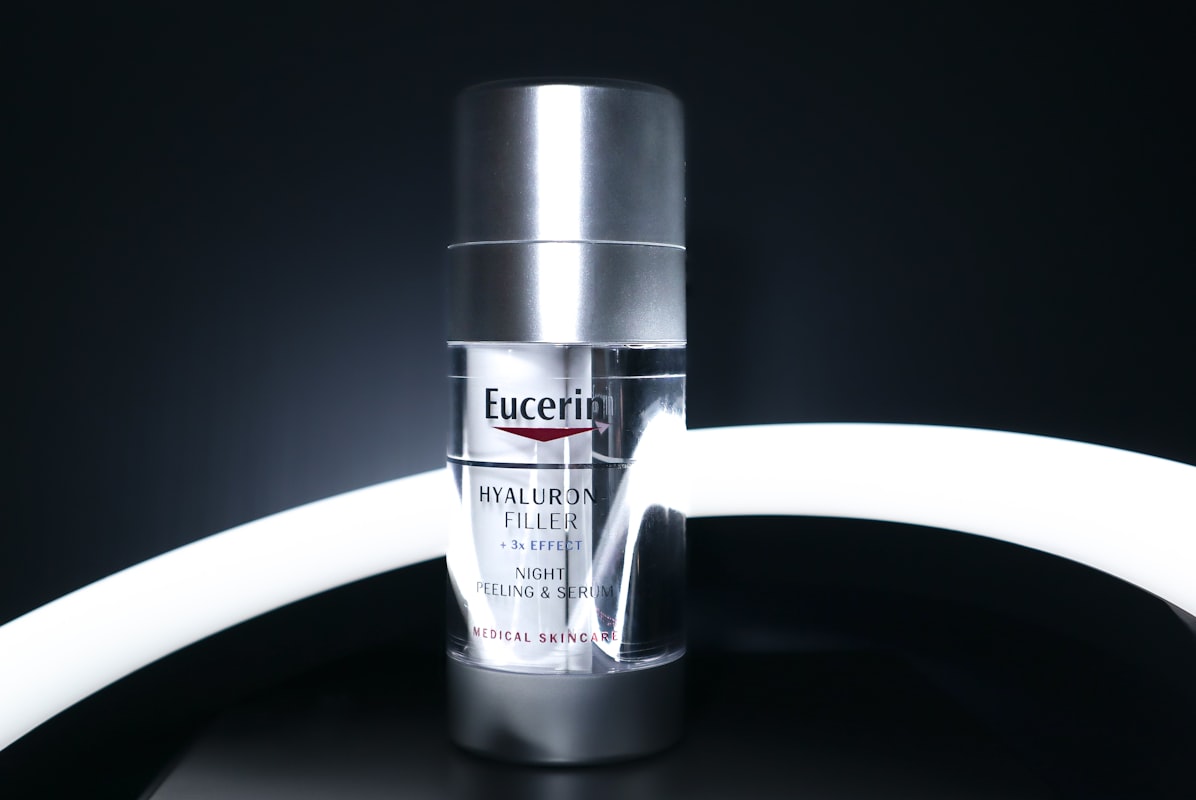
Featured Ingredients Deep Dive
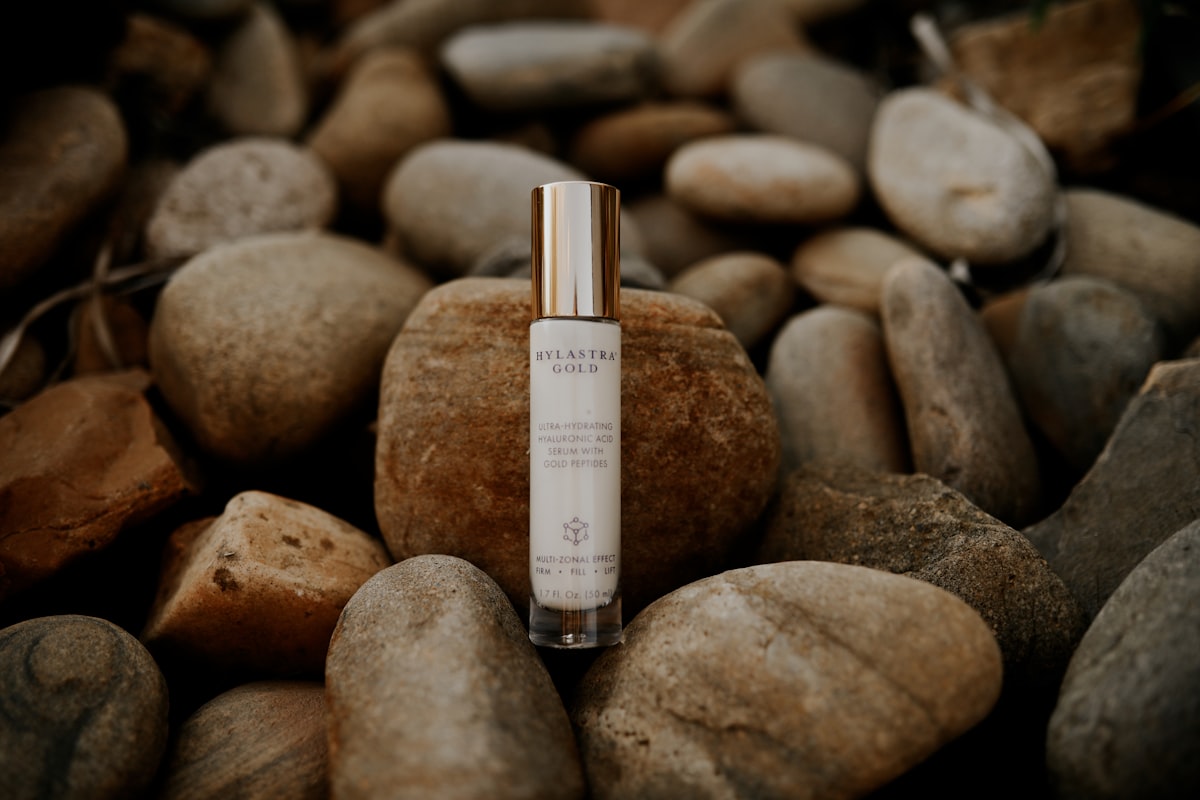
Hyaluronic Acid Benefits
Hyaluronic acid is a humectant found naturally in skin that can hold up to 1000 times its weight in water. In skincare formulations, it supports skin hydration at multiple layers and contributes to a plumper, more supple appearance. Different molecular weights penetrate at various depths, making it a versatile component in modern cosmetics.
Read More
Vitamin C for Radiance
Vitamin C is a potent antioxidant that brightens skin and supports collagen production. It helps protect against free radical damage and environmental stressors while promoting a more even skin tone. Stabilized forms in cosmetics ensure better efficacy and longer shelf life for optimal results.
Read More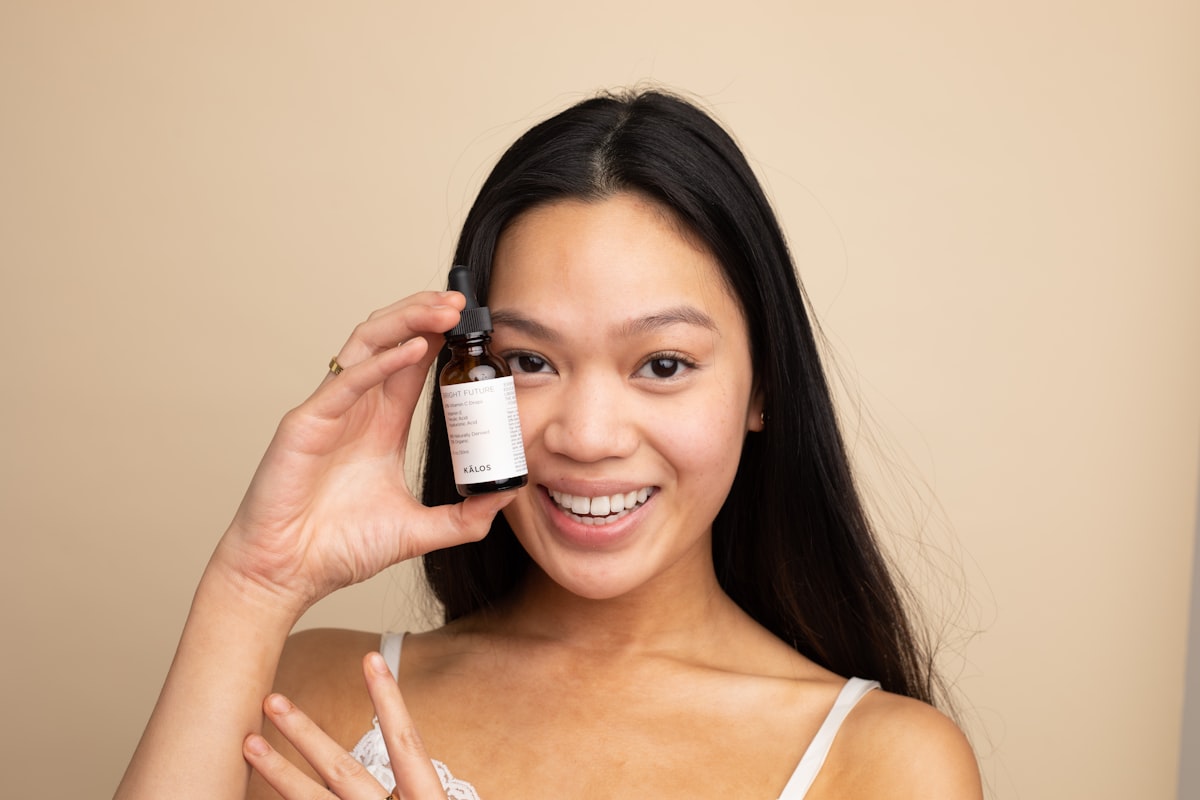
Retinol and Cell Renewal
Retinol, a form of vitamin A, supports skin cell turnover and renewal. It helps address fine lines and improves skin texture by promoting cellular activity and supporting the skin's natural regeneration process. Retinol for face applications ranges from gentle derivatives to stronger formulations.
Read More
Peptides in Skincare
Peptides are short chains of amino acids that support skin structure and elasticity. They signal skin cells to produce more collagen and elastin, promoting firmness and resilience. Peptides in skincare represent a scientifically-backed approach to supporting skin's structural integrity over time.
Read More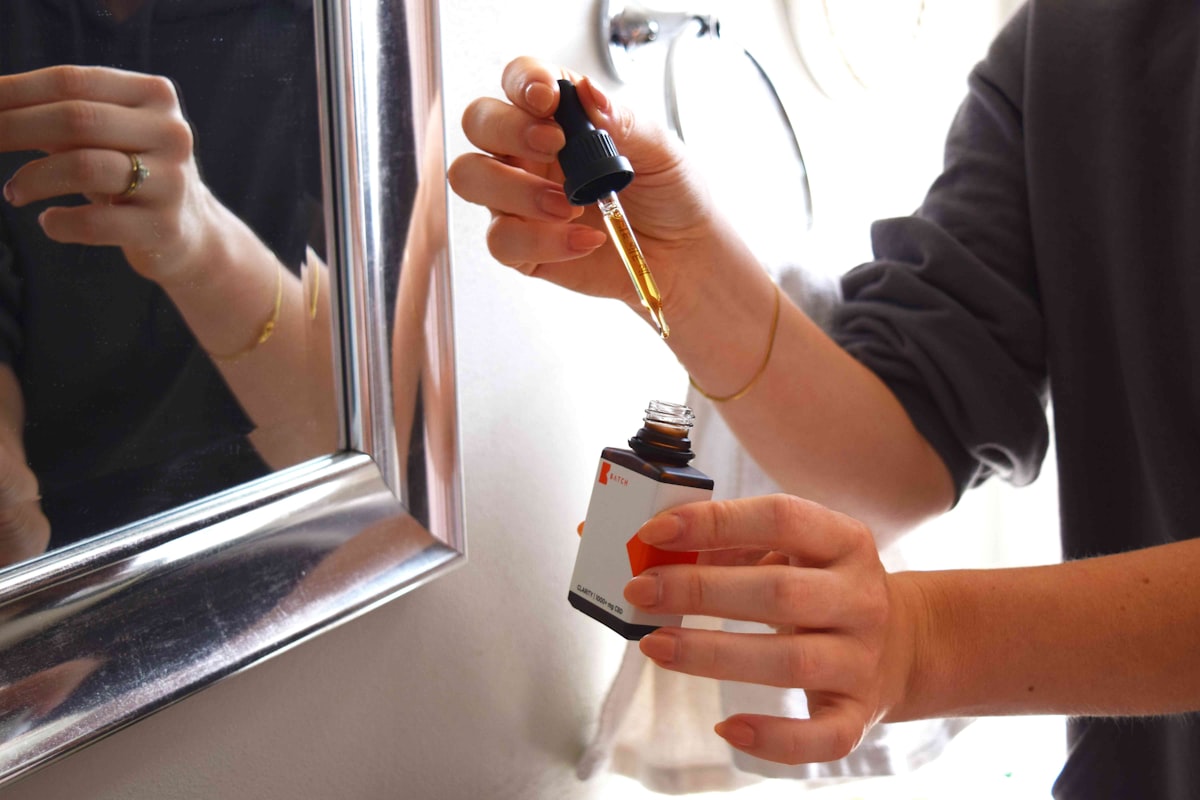
Antioxidants Defense
Antioxidants in cosmetics protect skin from oxidative stress and environmental damage. They help support skin's natural defense mechanisms and work to prevent photoaging. Common antioxidants include vitamins E and C, resveratrol, and green tea extract, each offering unique skin-beneficial properties.
Read More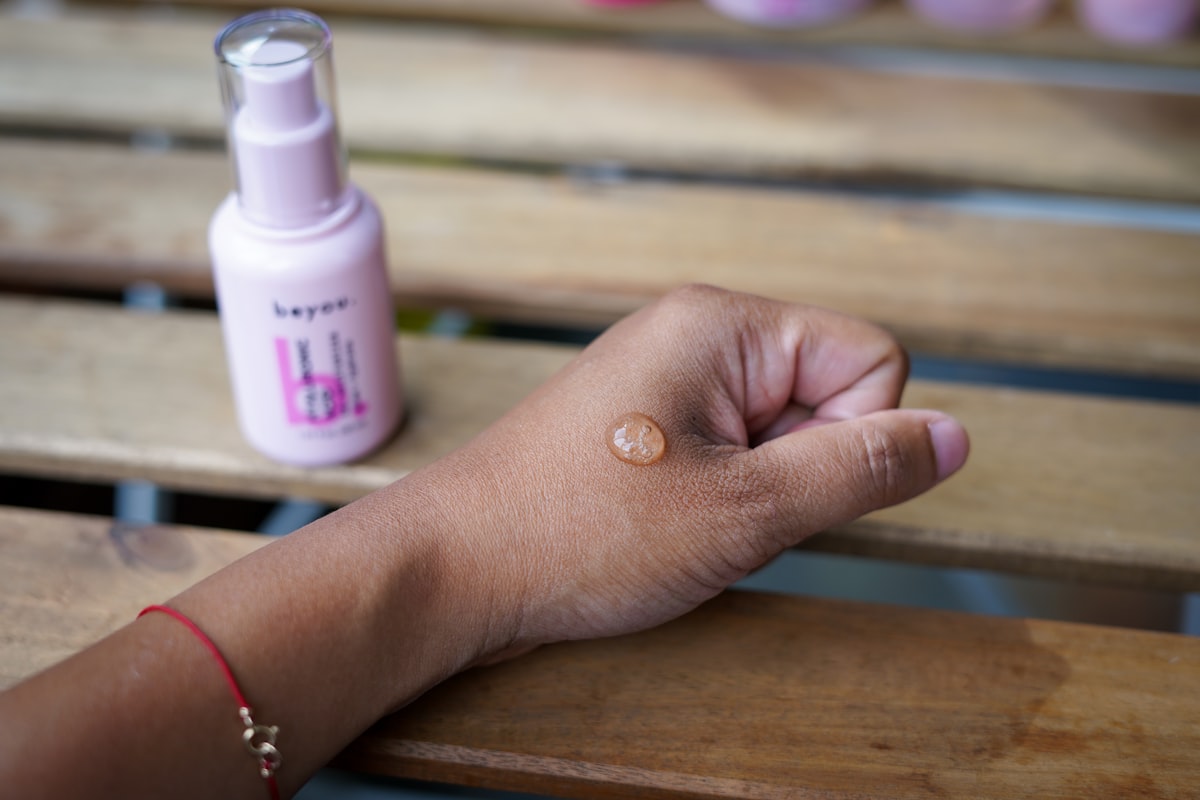
Niacinamide Benefits
Niacinamide, a form of vitamin B3, supports skin barrier function and promotes hydration. It helps regulate sebum production and reduce visible pore appearance, making it valuable for various skin types. Niacinamide's role in strengthening skin resilience makes it a key component in modern skincare formulations.
Read MoreWhy Understanding Skincare Science Matters
Evidence-Based Knowledge
Understanding how cosmetic ingredients work allows you to make informed decisions about your skincare routine. We provide research-backed information about vitamins for skin, antioxidants in cosmetics, and proven components that support skin health and appearance.
Smart Formulation Choices
Learn how different components work together in skincare formulations. Understanding skin hydration, elasticity, and protection mechanisms helps you select products that address your specific skin concerns and support long-term skin health.
Protection Against Photoaging
Antioxidants and protective ingredients are essential for defense against photoaging and environmental damage. We explain how these components support skin resilience and help maintain a youthful appearance through proper ingredient selection and consistent use.
Long-Term Results
Skincare is a journey, not a quick fix. By understanding how ingredients like retinol, peptides, and vitamins work at the cellular level, you can develop realistic expectations and maintain a consistent routine that supports skin health over months and years.
Reader Reviews and Feedback
The articles on skin-beneficial ingredients completely changed how I approach my skincare routine. Understanding the science behind hyaluronic acid and retinol helped me make much better product choices. The detailed explanations of how these components work make it easy to understand what will actually benefit my skin versus marketing hype.
Anna Koivu
Helsinki
I've been reading Skinvitaminessentials for months now and the content is consistently excellent. The breakdown of cosmetic ingredients and their benefits is thorough and accessible. I especially appreciated learning about antioxidants in cosmetics and how they protect against photoaging. Highly recommended for anyone serious about skincare.
Mika Virtanen
Espoo
Finally, a publication that explains vitamins for skin in a way that makes sense. The articles about vitamin C for skin and skin hydration are backed by actual science, not just marketing claims. I've learned so much about peptides in skincare and how they support skin elasticity. This is my go-to resource for skincare knowledge.
Liisa Ahonen
Tampere
The content on retinol for face and skin elasticity has been invaluable for understanding how to properly use these ingredients. The editorial team clearly understands skincare science, and the articles are well-researched and practical. I've shared these articles with friends who are also interested in learning more about cosmetic ingredients and their actual benefits.
Jukka Laine
Turku
How Our Components Guide Works
Research & Analysis
We investigate the latest research on cosmetic ingredients, vitamins for skin, and skincare components. Our editorial process ensures that all information is accurate, current, and based on dermatological science and peer-reviewed studies.
Clear Explanation
Complex skincare science becomes accessible through our detailed articles and guides. We break down how hyaluronic acid, retinol, peptides, and antioxidants work, making it easy to understand their benefits and applications in your skincare routine.
Actionable Insights
Our content provides practical guidance on using skin-beneficial ingredients effectively. From skin hydration strategies to protection against photoaging, we equip you with knowledge to make informed choices about your skincare approach.
Frequently Asked Questions
Hyaluronic acid is a natural humectant found in skin that can hold water and support moisture content at multiple dermal layers. In skincare formulations, hyaluronic acid helps plump the skin and maintain hydration levels, reducing the appearance of fine lines and supporting overall skin elasticity. Different molecular weights penetrate at various depths for optimal results.
Vitamin C is a potent antioxidant that brightens skin and supports collagen synthesis. It helps protect against free radical damage and environmental stressors while promoting an even skin tone. Vitamin C for skin works by neutralizing oxidative damage and stimulating fibroblasts to produce more collagen, contributing to a more radiant and youthful appearance over consistent use.
Peptides are short chains of amino acids that communicate with skin cells to promote collagen and elastin production. Peptides in skincare support skin structure and firmness by signaling cells to strengthen the skin matrix. They help maintain skin elasticity and resilience, contributing to a more youthful appearance and improved skin texture over time with consistent use.
Retinol, a form of vitamin A, supports cellular turnover and renewal by binding to retinoic acid receptors in skin cells. Retinol for face applications helps address fine lines and improve skin texture by promoting cellular activity. Results develop gradually over weeks and months, and it's important to start with lower concentrations and use sun protection, as retinol increases skin sensitivity to UV exposure.
Antioxidants in cosmetics neutralize free radicals generated by UV exposure and environmental stressors, preventing oxidative damage that leads to photoaging. They protect skin's collagen and elastin from breakdown, reducing the appearance of wrinkles and age spots. Common antioxidants include vitamins C and E, resveratrol, green tea, and selenium, each offering unique protective benefits for skin health.
Many skin-beneficial ingredients work well together, but compatibility depends on concentration, pH, and formulation. Hyaluronic acid pairs well with most ingredients, vitamin C works with peptides, and niacinamide is compatible with retinol. However, some combinations (like high-dose vitamin C with niacinamide at extreme pH levels) may reduce efficacy. Start slowly when layering multiple active ingredients to assess skin tolerance.
Stay Updated on Skincare Science
Subscribe to our newsletter for the latest articles on cosmetic ingredients, skincare components, and evidence-based insights into skin health.
We respect your privacy. Unsubscribe at any time.
Deepen Your Understanding of Skincare Science
Explore our comprehensive guides on cosmetic ingredients, vitamins for skin, and how to build an effective skincare routine based on scientific principles.